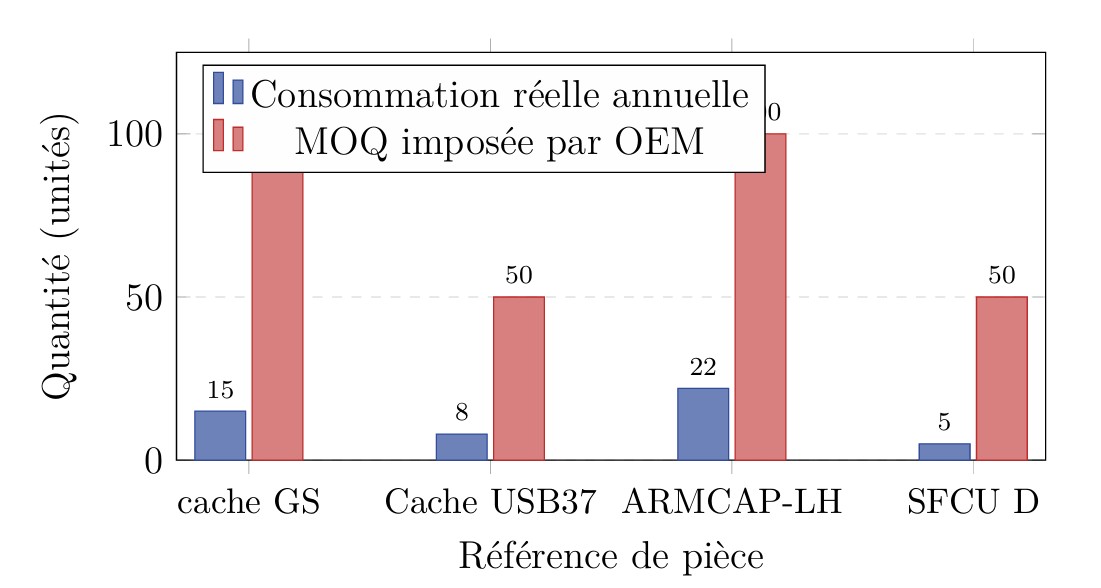
A feasibility study conducted within the MRO Direction of Royal Air Maroc, evaluating whether additive manufacturing (3D printing) could be integrated into aircraft cabin maintenance operations. Certain cosmetic cabin parts face recurring supply constraints, long OEM lead times, part obsolescence, and minimum order quantities disconnected from real consumption. The project followed a full DMAIC approach: from diagnosing the problem with Pareto and Gemba analysis, through technology and material selection, to a structured supplier benchmark and a complete techno-economic evaluation with return on investment.
Co-led the full DMAIC study with my project partner, with personal ownership of the material selection, structural simulation, technical specifications and economic modelling work streams.
Built a thermoplastic selection funnel in Granta CES Selector, deriving performance indices from thermal and mechanical constraints, narrowing the field to four FDM-compatible, flame-certified candidates before selecting ULTEM™9085 CG.
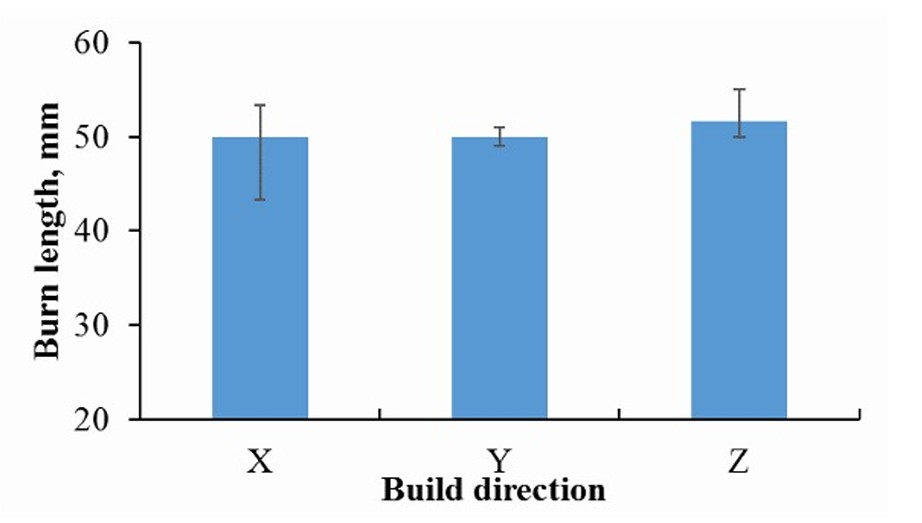
Assessed compliance with UL-94 V-0 and FAR 25.853 / CS-25 Annexe F using TGA degradation data and Stratasys official fire-test results for the certified grade.
Modelled the recurring armrest insert failure in ANSYS Mechanical under passenger and technician load cases, then ran a 40-run parametric Taguchi study to identify and optimise the dominant geometric factor governing structural safety factor.
Co-authored a 57-criterion functional specification (APTE methodology) across 16 categories, including 7 elimination (NO GO) criteria, used to qualify candidate printer suppliers against Part-145 and FAR/CS 25.853 requirements.
Co-ran a compliance matrix and a weighted multi-criteria decision matrix across four FDM printer suppliers, and modelled a standardised internal cost model to compare print times and unit costs on equal terms.
Built the techno-economic model comparing in-house FDM production cost to OEM purchase price across the selected parts, and computed payback period, discounted cash flow and 5-year ROI to support the investment decision.
The project structure followed the five DMAIC phases, moving from problem diagnosis to a validated, economically justified implementation decision.
Mapped Royal Air Maroc's MRO organisation and the Cabin Workshop's role within it. Cosmetic and aesthetic cabin parts were identified as a major spend category, exposed to OEM dependency, long procurement cycles and obsolescence risk.
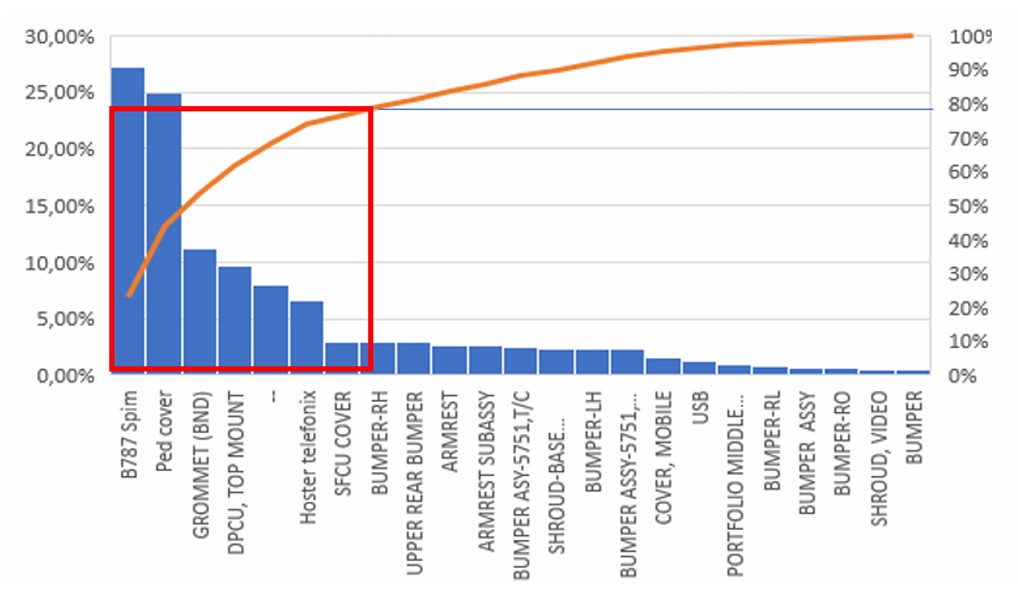
Conducted a Gemba study on the workshop floor combined with AMOS/SAP consumption data. A 5-Whys root-cause analysis traced recurring overstock and stockouts back to a single cause: the absence of an in-house additive manufacturing capability, forcing full reliance on OEM minimum order quantities.
Compared FDM and SLS via a weighted multi-criteria matrix, selected FDM, then built an Ashby material selection funnel down to four flame-certified candidates. A recurring armrest insert failure was modelled and optimised in ANSYS Mechanical using a Taguchi design of experiments.
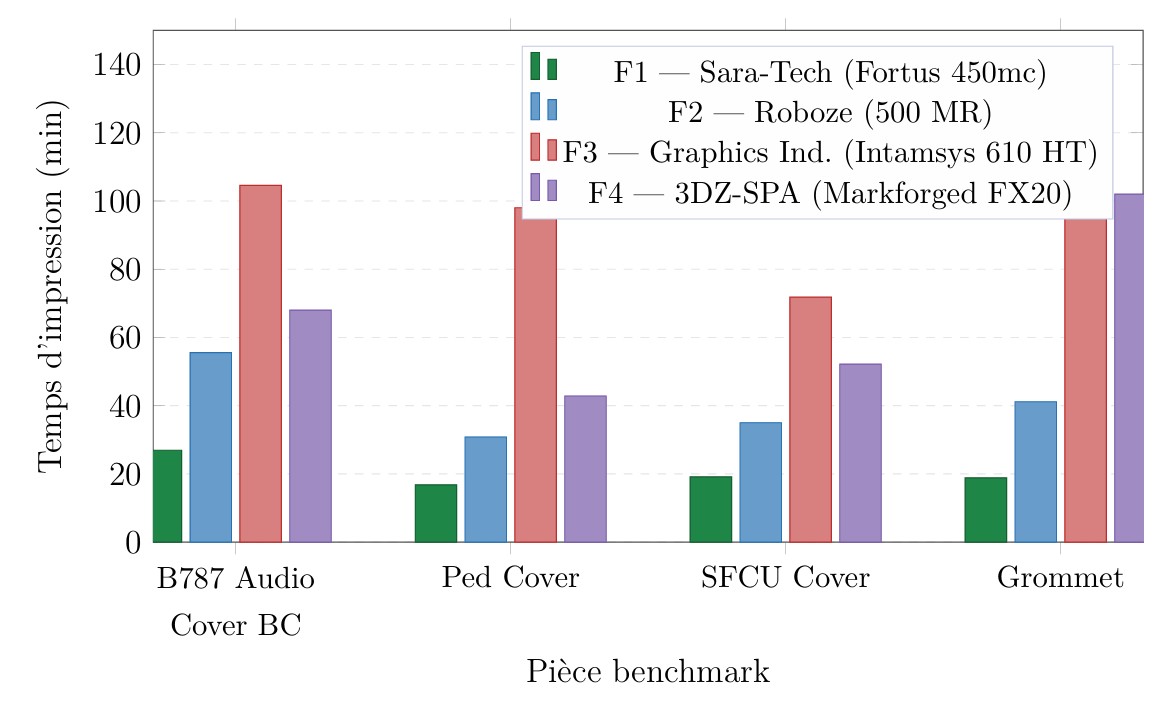
Drafted a 57-criterion functional specification, identified four candidate FDM suppliers, scored them on a compliance matrix and a weighted decision matrix, then benchmarked print time and cost on four representative parts using a standardised internal cost model.
Built a full techno-economic model on eight selected parts comparing in-house FDM cost to OEM purchase price, computing payback period, 5-year discounted cash flow and ROI to validate the investment decision.
FDM was selected over SLS through a weighted comparison, then a two-stage Ashby methodology narrowed the material field before validating structural performance through simulation.
| Criterion | Weight | FDM | SLS |
|---|---|---|---|
| Total operating cost | 25% | 5 | 2 |
| Average print time | 25% | 4 | 3 |
| Ease of use in MRO | 20% | 5 | 2 |
| Part robustness | 15% | 4 | 3 |
| Surface roughness | 15% | 2 | 3 |
| Weighted score | 100% | 4.15 / 5 | 2.52 / 5 |
Using Granta CES Selector, thermoplastics were filtered for FDM process compatibility, UL-94 V-0 flammability, fracture toughness, glass transition temperature and thermal conductivity. The filtering funnel converged on four candidates before a final trade-off between mechanical performance and available FAA/EASA qualification data.
| Property | PEKK-A | ULTEM™9085 CG | ULTEM™AM9085F | Antero 840CN03 |
|---|---|---|---|---|
| Fracture toughness K₁c (MPa·m¹ᐟ²) | 5.65 | 3.94 | 3.90 | 3.14 |
| Glass transition Tg (°C) | 160 | 177 | 177 | 158 |
| Global performance index W* | 3.22×10⁻³ | 3.03×10⁻³ | 3.20×10⁻³ | 2.94×10⁻³ |
| NCAMP qualification (Fortus 450/900mc) | — | Qualified | — | Qualified |
ULTEM™9085 CG was retained: it combines a strong global performance index with an existing NCAM qualified allowables database on the target machine, removing the need to build a proprietary mechanical test dataset from scratch, and considerably shortening the certification path.
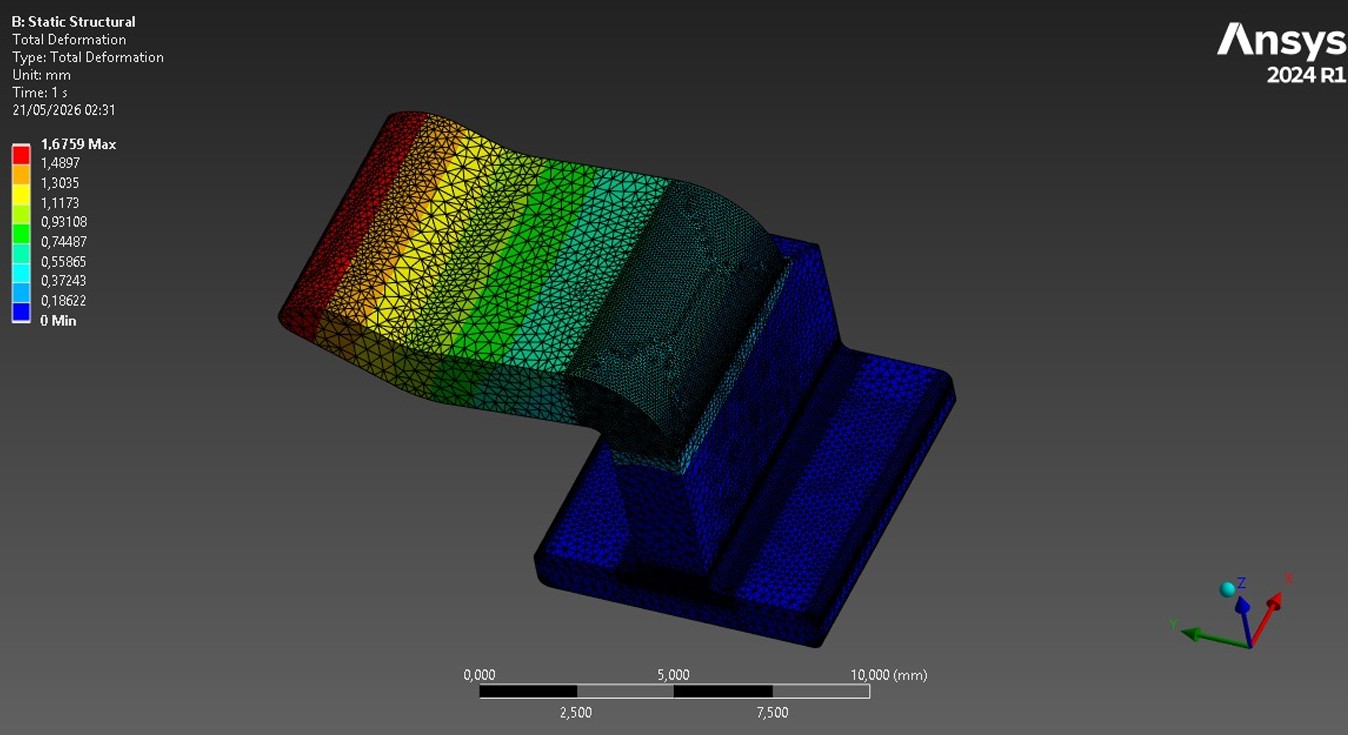
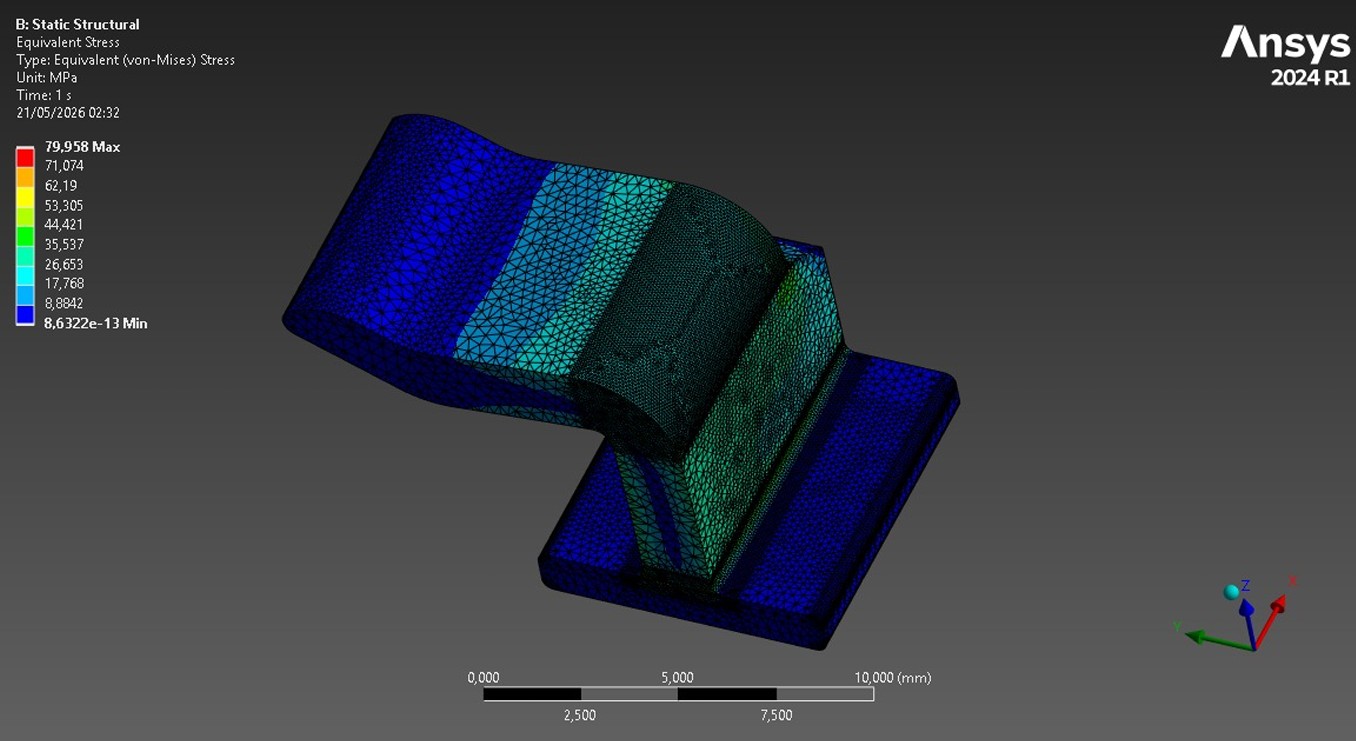
A recurring in-service failure of the armrest insert was reproduced numerically: static structural simulation under passenger and technician load cases showed the equivalent von Mises stress exceeding the material's yield strength at several stress-concentration zones, confirming the field failure mode and motivating a geometric redesign.
Two fillet radii (F₁, F₂) were parametrised in ANSYS Workbench and swept across 40 design points. A Taguchi signal-to-noise analysis isolated the relative contribution of each factor to the resulting safety factor.
| Factor | Range (dB) | Contribution | Optimal Level |
|---|---|---|---|
| F₁ : Lower fillet radius | 0.522 | 13.3% | 0.8 mm |
| F₂ : Upper fillet radius | 3.399 | 86.7% | 2.0 mm |
| Total | 3.921 | 100% | — |
F₂ (the upper fillet radius) governs 86.7% of the structural response. The optimised geometry raised the safety factor from below 1 (structural failure) to 1.60, eliminating the field failure mode identified in the case study.
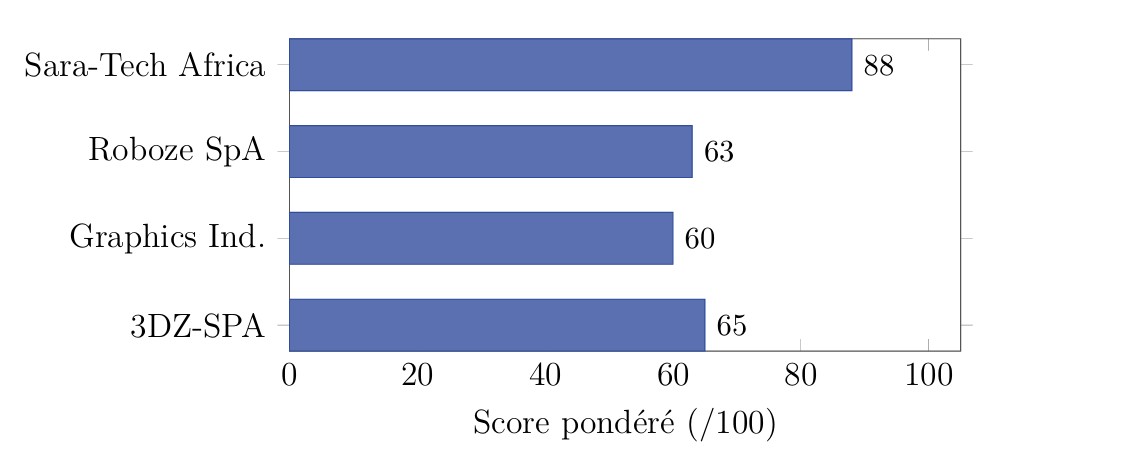
Four FDM printer suppliers were evaluated against the 57 criterion specification, then scored on a weighted multi-criteria decision matrix and an internal, standardised cost model.
| Supplier | Compliance Rate | NO-GO Failures | Decision Score (/100) |
|---|---|---|---|
| Sara-Tech Africa (Fortus 450mc) | 93% | 0 / Retained | 88 |
| 3DZ-SPA (Markforged FX20) | 75% | 2 / Eliminated | 65 |
| Roboze SpA (500 MR) | 68% | 0 / Retained | 63 |
| Graphics Industries (Intamsys 610 HT) | 63% | 3 / Eliminated | 60 |
Sara-Tech Africa-Stratasys Fortus 450mc was retained: zero elimination criteria failures, the highest compliance rate, the shortest print times of the benchmark, and direct access to an NCAMP qualified materials database, significantly de-risking the certification path.
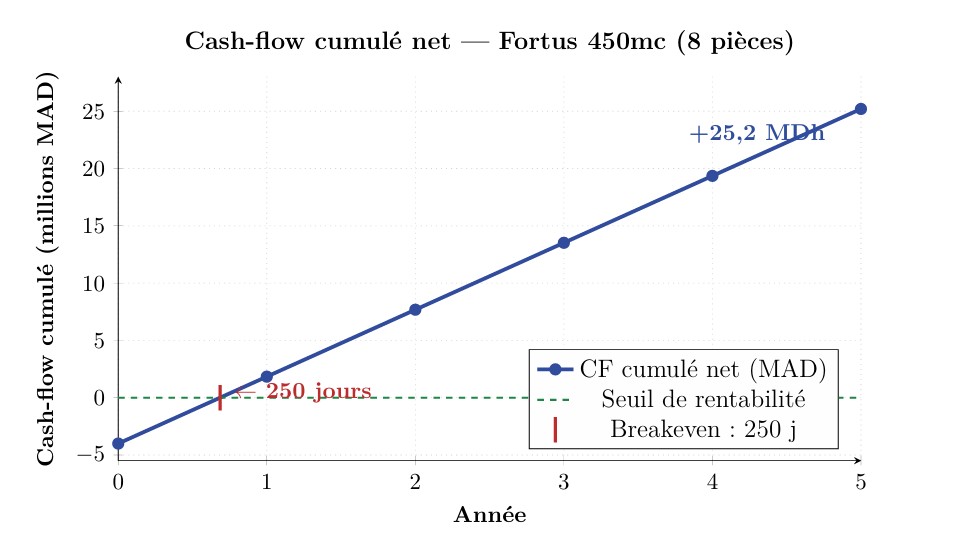
A techno-economic model was built across eight selected cabin parts, comparing the in-house FDM cost of revenue to the equivalent OEM purchase price. Figures below are presented in rounded / relative form.
Beyond the eight-part study scope, extending the same production model to the full cosmetic parts catalogue (roughly 100 references) would reduce the payback period to under a month, reinforcing the strategic case for in-house additive manufacturing at RAM's Cabin Workshop.
Delivered a complete, defensible feasibility case for additive manufacturing at Royal Air Maroc's Cabin Workshop, spanning root cause diagnosis, technology and material selection, structural validation, supplier benchmarking and economic justification, resulting in a validated decision to implement a Stratasys Fortus 450mc via Sara-Tech Africa.
Extend the eligible parts portfolio beyond the initial 8 parts scope to the full cosmetic parts catalogue, further improving payback and fleet wide part availability.
Build a digital library of qualified 3D models for recurring cabin parts, streamlining future additive production and reducing reverse engineering effort.
Pursue qualification pathways for higher value added, more structurally demanding applications beyond cosmetic cabin parts.
Introduce 3D metrology scanning to automate complex-geometry capture, replacing conventional measurement tools currently used for part reverse-engineering.